
Visual Overview
See both options before reading the deeper tradeoffs.
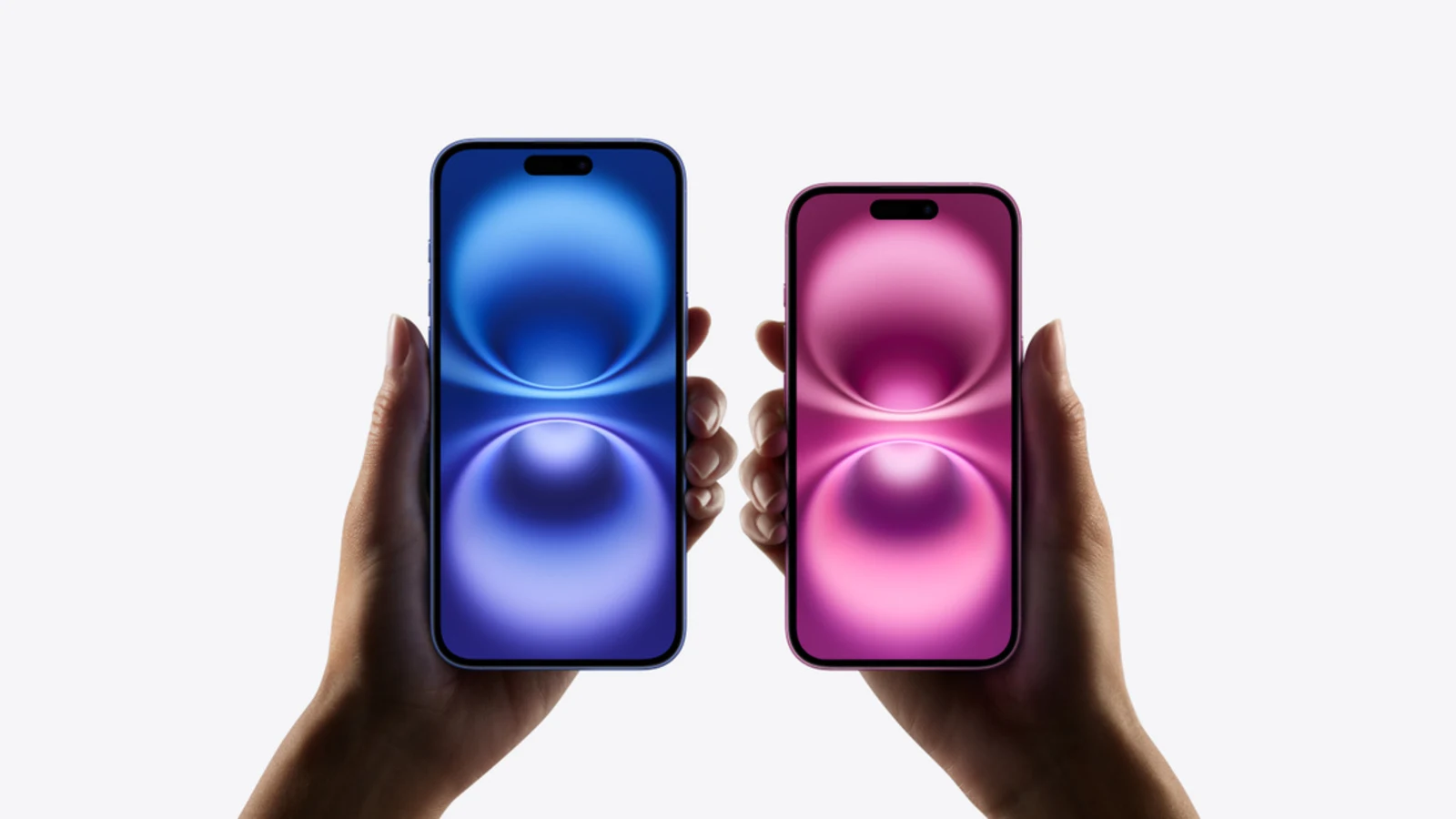
iPhone 16Apple
Apple ecosystem continuity, polished daily use, mainstream flagship buyers
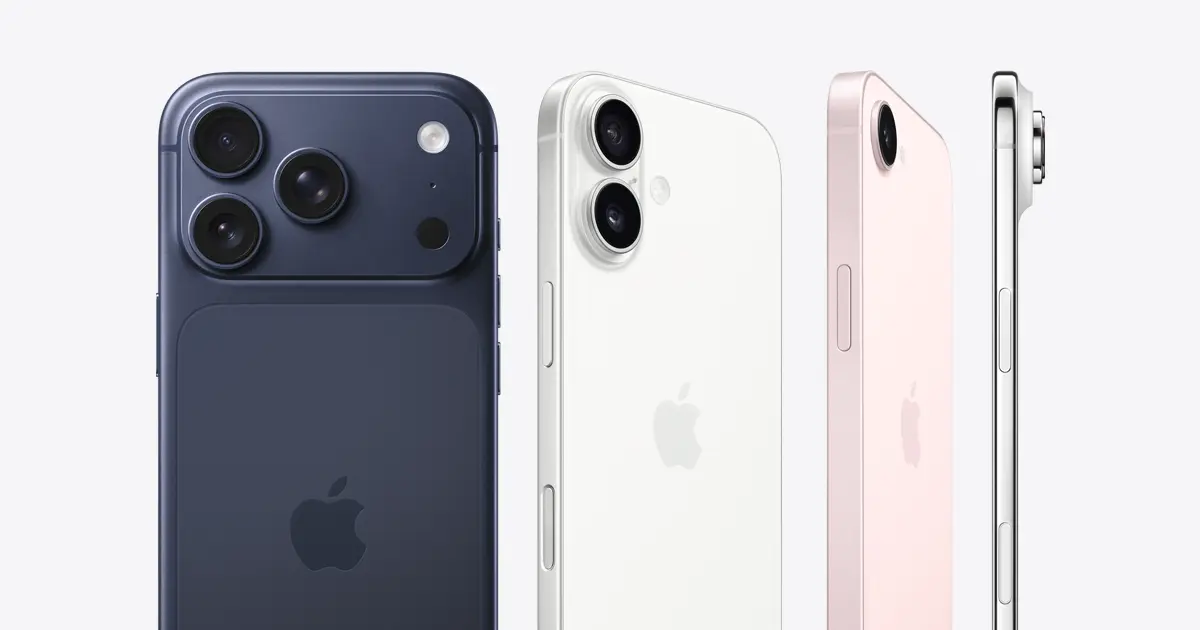
iPhone 15Apple
Apple ecosystem users, camera reliability, polished daily use
Head-to-head comparison
Choose iPhone 16 for the newer flagship generation and fresher hardware stack. Choose iPhone 15 for a lower entry price with a still-premium Apple experience.
Visual Overview
Apple ecosystem continuity, polished daily use, mainstream flagship buyers
Apple ecosystem users, camera reliability, polished daily use
Our Verdict
Choose iPhone 16 for the newer flagship generation and fresher hardware stack. Choose iPhone 15 for a lower entry price with a still-premium Apple experience.
iPhone 16 is the better pick when that outcome matters more than breadth or familiarity.
iPhone 15 is the stronger option when that goal matters more than iPhone 16's main advantage.
Decision Summary
Use this section to scan the winner split, the main tradeoff, and the next useful click if neither option is clean enough.
Choose iPhone 16 for the newer flagship generation and fresher hardware stack. Choose iPhone 15 for a lower entry price with a still-premium Apple experience.
The wrong move is forcing both products into the same job. This page only gets useful once the workflow split is clear.
Samsung Galaxy S25+ is the first nearby alternative to inspect when both finalists feel compromised.
iPhone 15 vs Samsung Galaxy S24 is the next useful head-to-head if this decision opens up into a wider shortlist.
iPhone 15 looks most vulnerable on value, so that is the first metric to pressure-test before you treat it as the safer long-term fit.
At A Glance
Each card answers the same decision questions: what the tool is best for, where it is strongest, where to be careful, and when to pick it over the other option.
iPhone 16 is positioned for buyers who want Apple ecosystem continuity, dependable camera output, premium build quality, and long software support in a mainstream flagship form.
Choose iPhone 16 if you want Apple’s current mainstream flagship experience with minimal friction.
iPhone 15 is positioned for users who value camera quality, ecosystem continuity, long-term software support, and premium everyday usability.
Choose iPhone 15 if ecosystem continuity and polish matter most.
Quick Winners
These cards answer common comparison intent immediately: overall fit, ease of adoption, value, and which product makes more sense for team usage.
Best overall
87/100iPhone 16 has the better overall score blend, so it is the safer starting point when the buyer wants the strongest all-around fit rather than a narrow edge case.
Open iPhone 16Best for beginners
Starts at $699iPhone 15 reads as the friendlier choice when fast onboarding, lighter workflow friction, or broader mainstream usability matters more than maximum depth.
Open iPhone 15Best value
Starts at $699iPhone 16 is the better value read when the buyer wants stronger return on spend instead of paying extra for strengths they may never use.
Open iPhone 16Best for teams
5 integrationsiPhone 16 looks stronger when shared workflows, collaboration, admin depth, or integration surface area matter more than solo-user simplicity.
Open iPhone 16Why trust this comparison
Use the same scorecard to see where iPhone 16 wins, where iPhone 15 wins, and which tradeoffs matter for your shortlist.
Verdict by Use Case
These cards compress the recommendation layer before you drop into the detailed evidence.
Choose iPhone 16
RecommendationApple ecosystem continuity, polished daily use, mainstream flagship buyers. Its clearest case is when the buyer wants faster daily work, less friction, and strengths that keep paying off after the trial period.
Choose iPhone 15
RecommendationApple ecosystem users, camera reliability, polished daily use. It becomes the stronger recommendation when those advantages help the buyer move faster, produce better work, or justify the spend more clearly.
How to read this
Decision lensThe page compares normalized pricing, capabilities, metrics, and product-positioning data so the recommendation stays tied to concrete fit signals. The main pressure-test is iPhone 16's value versus iPhone 15's value.
Structured Comparison
This is the proof layer behind the summary cards above. Use it to verify pricing, platform coverage, integrations, and the exact feature differences.
iPhone 16
iPhone 16 is positioned for buyers who want Apple ecosystem continuity, dependable camera output, premium build quality, and long software support in a mainstream flagship form.
iPhone 15
iPhone 15 is positioned for users who value camera quality, ecosystem continuity, long-term software support, and premium everyday usability.
Evidence Table
| # | Feature | iPhone 16 | iPhone 15 |
|---|---|---|---|
| 1 | Overview Best for | Apple ecosystem continuity and polished flagship use | Premium daily use and ecosystem continuity |
| 2 | Starting price | $699 current Apple Store offer range | $699 |
| 3 | Storage options | 128 GB, 256 GB | 128 GB, 256 GB, 512 GB |
| 4 | Display and performance Display | 6.1-inch Super Retina XDR OLED | 6.1-inch Super Retina XDR OLED, 2556-by-1179 resolution |
| 5 | Refresh rate | 60Hz | 60Hz |
| 6 | Brightness | High-brightness OLED with strong outdoor readability | Up to 1600 nits HDR, up to 2000 nits outdoors |
| 7 | Processor | Apple A18-class flagship silicon | A16 Bionic chip with 6-core CPU, 5-core GPU, 16-core Neural Engine |
| 8 | Memory / storage | Mainstream storage tiers with iOS-first optimization | 128 GB to 512 GB storage tiers |
| 9 | Camera and battery Rear camera | Advanced dual-camera system with mainstream flagship imaging focus | 48MP Main + 12MP Ultra Wide, plus 12MP 2x telephoto crop from the main sensor |
| 10 | Front camera | 12MP TrueDepth front camera class | 12MP TrueDepth front camera |
| 11 | Video | 4K video workflows with Apple computational processing | Up to 4K HDR video output and 4K recording workflows, Dolby Vision support |
| 12 | Battery | All-day flagship endurance with Apple ecosystem efficiency | Up to 20 hours video playback, up to 16 hours streamed video, up to 80 hours audio |
| 13 | Charging | USB-C wired charging plus MagSafe wireless charging | USB-C, MagSafe up to 15W, Qi2 up to 15W, around 50% in 30 minutes with 20W adapter or higher |
| 14 | Build and platform Glass type | Ceramic Shield front glass | Ceramic Shield front, color-infused glass back, sapphire crystal lens cover |
| 15 | Build and materials | Premium aluminum-and-glass iPhone design | Aluminum design with color-infused glass back |
| 16 | Water resistance | IP68 | IP68, up to 6 meters for up to 30 minutes |
| 17 | Platforms | iOS | iOS |
| 18 | AI / smart features | Apple Intelligence-class smart features on compatible regional/device software rollout | Apple Intelligence is not available on iPhone 15; smart features are app and iOS ecosystem led |
| 19 | Software support | Long-term iOS support | Long-term iOS support, but Apple does not publish a fixed year count |
Alternatives
If neither product is the right fit, nearby options in the same category help the user keep exploring without leaving the comparison workflow.
Related Comparisons
These internal links extend the decision journey into adjacent head-to-head pages.
Final Recommendation
Choose the tool that makes the job feel easier every day. The better option depends on whether the buyer is optimizing for performance, camera, pricing leverage, ecosystem fit, or lower operational friction.
iPhone 16 is the better choice for buyers optimizing around performance, while iPhone 15 is the better choice for buyers optimizing around camera. If the fit still looks close, use pricing, platform coverage, and the weakest metric on each side as the tie-breakers.
FAQ
These are the recurring buying questions behind most comparison intent: fit, strengths, pricing, tradeoffs, and which option makes more sense under different conditions.
Choose iPhone 16 for the newer flagship generation and fresher hardware stack. Choose iPhone 15 for a lower entry price with a still-premium Apple experience. In structured terms, iPhone 16 stands out most on performance, while iPhone 15 stands out most on camera. The clearest way to use this page is to decide which of those strengths actually affects the buyer's day-to-day workflow.
iPhone 16 starts at $699, while iPhone 15 starts at $699. The better value still depends on the real decision should be based on what each plan unlocks, how usage scales, and whether the buyer would actually use the extra capabilities in the more expensive option.
There is usually no universal winner. iPhone 16 is the stronger fit for apple ecosystem continuity, polished daily use, mainstream flagship buyers, while iPhone 15 is the stronger fit for apple ecosystem users, camera reliability, polished daily use. Most buyers should start with the product whose strengths line up more directly with their daily workflow, team shape, and non-negotiable requirements.
The main tradeoffs are where each product is weakest relative to its strengths. For iPhone 16, the key area to pressure-test is value. For iPhone 15, it is value. The detailed table is valuable because it shows whether those weaker areas are acceptable compromises or real reasons to rule one option out.